

Commercial Energy Audit Services, Benchmarking Support & Latitude Studies
Energy audits help building owners understand how a facility uses energy and where improvements may reduce utility costs, waste, and emissions. Griffin EnerG Consulting provides commercial energy audits, business energy audits, energy modeling, and latitude studies for existing buildings, new construction, major renovations, and ESCO-supported projects.
Buildings tell stories through utility bills, ENERGY STAR scores, comfort concerns, equipment schedules, daylight patterns, and the quiet hum of systems working harder than they should. A good energy audit listens carefully.
Griffin EnerG Consulting provides energy audits, commercial energy audit services, energy benchmarking support, and latitude studies for building owners, developers, facility managers, design teams, and organizations that want clearer answers about building performance.
For existing buildings, our business energy audits help identify energy conservation measures, utility cost reduction opportunities, operational improvements, and capital planning priorities. For new construction and major renovation projects, our latitude studies and energy modeling help optimize orientation, daylighting, shading, envelope performance, lighting controls, and HVAC impacts.
For Salt Lake City commercial building owners, our work can also support energy benchmarking and efficiency planning related to the City’s Elevate Buildings program. Elevate Buildings is Salt Lake City’s initiative to increase energy efficiency, support economic development, improve air quality, and reduce energy waste.
Whether you are responding to benchmarking requirements, planning a retrofit, preparing for an ESCO project, studying utility incentives, or designing a more efficient building from the beginning, Griffin EnerG Consulting helps turn building data into a practical path forward.

What Is an Energy Audit?
An energy audit is a systematic review of how a building uses energy and where energy may be wasted. It typically includes analysis of utility data, building systems, operating schedules, envelope performance, lighting, HVAC systems, domestic hot water, controls, and occupant or operational patterns.
The purpose is not just to say, “This building uses energy.” Every building does that. The purpose is to identify which improvements are worth considering, how much energy they may save, and how those improvements may affect cost, comfort, operations, and long-term performance.
ASHRAE’s commercial building energy audit procedures establish guidance for Level 1, Level 2, and Level 3 audit efforts, helping owners understand the depth of analysis needed for different project goals.

In plain language: an energy audit helps you find the leaks in the bucket before you buy a bigger bucket.
Salt Lake City Elevate Buildings & Energy Benchmarking Support
Salt Lake City’s Elevate Buildings program helps large commercial building owners understand, report, and improve building energy performance. The City’s benchmarking ordinance applies to certain nonresidential buildings within Salt Lake City, including governed buildings or campuses where at least one building is 25,000 square feet or larger.
For many owners, benchmarking is the first useful mirror. It shows how a building is performing, but it does not always explain why the building is performing that way—or what to do next.
That is where an energy audit can help.
Griffin EnerG Consulting supports building owners and project teams by connecting energy efficiency benchmarking with deeper building-performance analysis. We can help evaluate utility data, operating schedules, HVAC systems, lighting systems, controls, envelope performance, domestic hot water, and potential energy conservation measures so owners can move from a score to a strategy.

Our support may include:
- ENERGY STAR Portfolio Manager benchmarking support
- Utility data review
- Energy use intensity analysis
- ENERGY STAR score interpretation
- Commercial energy audit services
- Building tune-up opportunity review
- Energy conservation measure identification
- Utility incentive coordination
- Capital improvement planning
- Calibrated energy modeling
- Measurement and verification planning
- Owner-ready reporting for next-step decision-making
Salt Lake City’s ordinance requires annual benchmarking for covered buildings, with May 1 annual benchmarking deadlines identified in the City code. For buildings with lower ENERGY STAR performance, the ordinance also includes tune-up evaluation requirements in certain cases, while encouraging implementation of tune-up measures.
Griffin EnerG Consulting does not administer the Elevate Buildings program. Instead, we help owners understand what their building data is telling them and identify practical ways to improve performance. Think of benchmarking as the map. The energy audit is where we start reading the terrain.


Our Energy Audit Services
Griffin EnerG Consulting tailors energy audit services to the needs of the building, the owner, and the decision being made. Not every project needs the same level of analysis. A building owner responding to benchmarking requirements may need utility data review and efficiency benchmarking support. A team preparing for major upgrades, an ESCO project, or performance contracting may need a deeper commercial energy audit with modeling and financial analysis.
Our energy audit services may include:
- Utility bill review
- ENERGY STAR Portfolio Manager support
- Energy benchmarking and efficiency benchmarking
- Energy use intensity analysis
- ENERGY STAR score review
- Site observations
- HVAC system review
- Lighting and lighting controls review
- Domestic hot water review
- Building envelope observations
- Operating schedule review
- Equipment inventory support
- Energy conservation measure identification
- Utility incentive review
- Calibrated energy modeling
- Life-cycle cost considerations
- Measurement and verification planning
- Prioritized recommendations
- Owner-ready reporting
The goal is to move from “we think this building could perform better” to “here are the measures worth studying, here is why they matter, and here is what to do next.”
Energy Audits for Salt Lake City Commercial Buildings
Salt Lake City building owners are being asked to understand energy performance with more precision than ever. Energy benchmarking can reveal whether a building is performing well, performing below its peers, or ready for deeper investigation.
Griffin EnerG Consulting provides commercial energy auditing and benchmarking-informed analysis for Salt Lake City buildings that need more than a spreadsheet. We help owners connect utility data, ENERGY STAR scores, building systems, operating patterns, and improvement opportunities into a clearer plan.
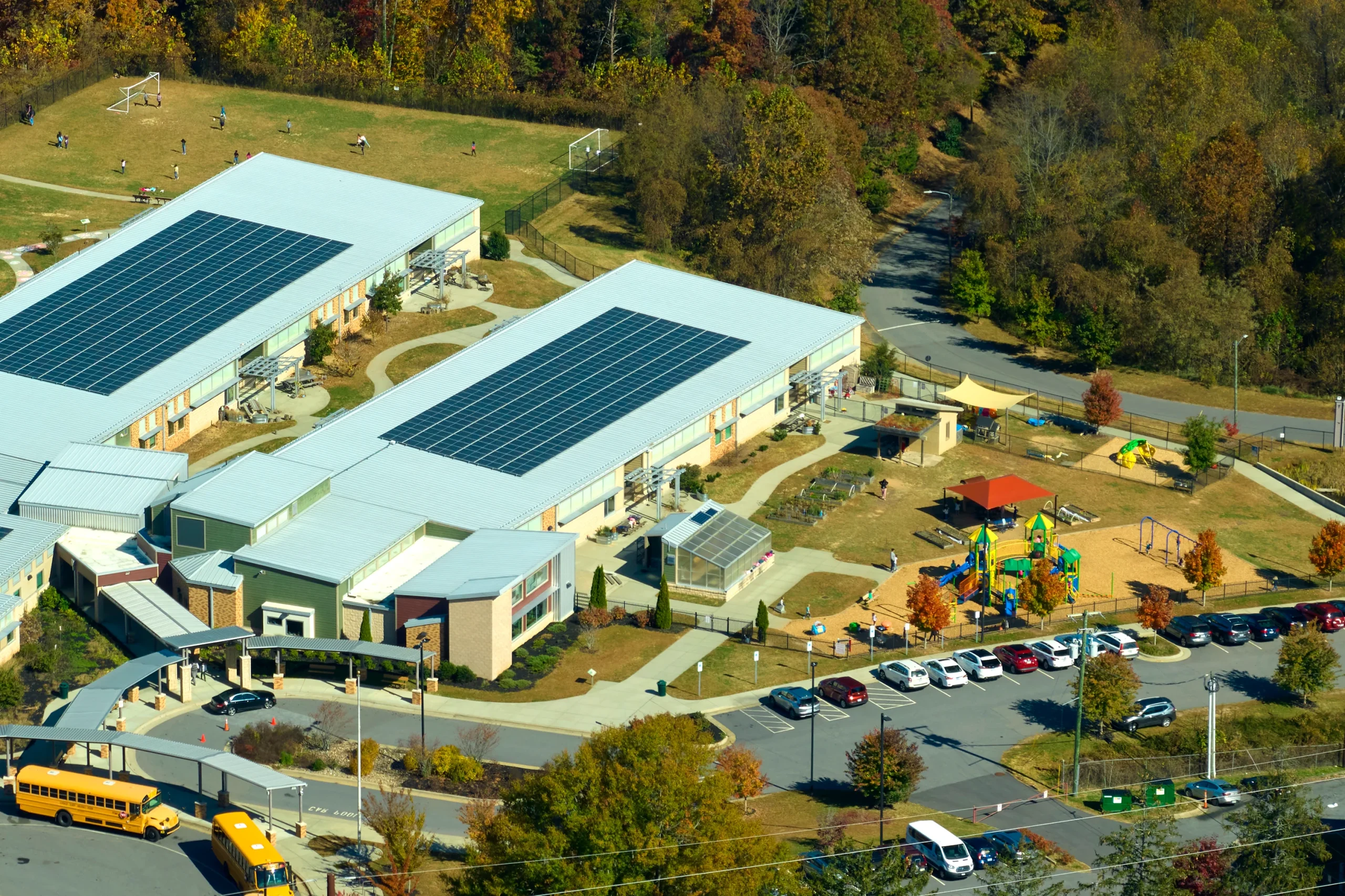
For covered commercial buildings, this may support:
A benchmark may show where a building stands. A thoughtful audit helps show where it can go.
Energy Audit Levels: Choosing the Right Scope
Not every building needs the same audit. Griffin EnerG Consulting can help define an appropriate level of investigation based on your goals, budget, available data, and the complexity of the facility.
Preliminary Energy Review
A preliminary review helps owners understand whether deeper analysis is warranted. This may include utility data review, benchmarking, and a high-level discussion of likely opportunities.
Walk-Through Energy Audit
A walk-through audit identifies visible and operational opportunities. This level is often useful when owners want a practical starting point for low-cost and no-cost improvements.
Detailed Commercial Energy Audit
A more detailed commercial energy audit may include deeper analysis of HVAC systems, lighting, envelope performance, controls, schedules, and energy conservation measures. This scope is useful when the owner needs stronger savings estimates, cost considerations, and decision-ready recommendations.
Investment-Grade or ESCO-Oriented Study
For projects involving major capital improvements, financing, or ESCO participation, the audit may require deeper modeling, cost analysis, and measurement and verification planning. This is where Griffin EnerG’s energy modeling and financial analysis experience can become especially valuable.
Latitude Studies for New Construction and Major Renovations
A latitude study evaluates how a building’s location, orientation, glazing, shading, daylighting, and solar exposure influence energy performance and occupant comfort.
For new construction and major renovation projects, Griffin EnerG Consulting uses energy modeling and design analysis to study how the building responds to the sun throughout the day and year.

A latitude study may evaluate:
- Building orientation
- Solar exposure
- Daylighting potential
- Window placement and sizing
- Glare risk
- Shading strategies
- Envelope performance
- Artificial lighting and controls
- HVAC impacts
- Passive design opportunities
- Occupant comfort considerations
- Energy use implications
Daylighting can reduce reliance on artificial lighting when it is designed with appropriate glazing, controls, and attention to heating, cooling, and glare impacts. The Whole Building Design Guide describes daylighting as the controlled admission of natural light into a building to reduce electric lighting and save energy.
The trick is balance. Too little daylight wastes opportunity. Too much uncontrolled sunlight can create glare and cooling problems. A good latitude study finds the middle path—the golden thread between cave and greenhouse.

How Energy Audits and Latitude Studies Work Together
Energy audits and latitude studies sit at different points in the building life cycle, but they ask a similar question:
How can this building use less energy while serving people better?
For existing buildings, an energy audit studies current performance and identifies improvement opportunities. For new construction, a latitude study helps shape the design before energy waste is baked into the building.
Together, these services help owners and design teams make better decisions about:
- Energy efficiency
- Comfort
- Utility costs
- Daylighting
- HVAC loads
- Lighting performance
- Envelope design
- Renewable energy readiness
- Long-term operations
- Sustainability goals
A building is easier to improve when the team understands both the math and the lived experience inside the walls.
Our Process
- 01
Define the Goal
We begin by clarifying why the study is being performed. The goal may be lower utility costs, Salt Lake City Elevate Buildings benchmarking support, improved ENERGY STAR performance, utility incentives, capital planning, ESCO project development, sustainability reporting, or better design performance.
- 02
Gather Building and Utility Data
For energy audits and benchmarking support, we review available utility bills, ENERGY STAR Portfolio Manager information, operating schedules, drawings, equipment data, controls information, and owner concerns. For latitude studies, we gather site, climate, orientation, envelope, glazing, lighting, and design information.
- 03
Review Building Systems
We evaluate the systems that shape energy performance, including HVAC, lighting, controls, domestic hot water, plug loads, ventilation, envelope performance, and renewable energy considerations.
- 04
Benchmark and Analyze Performance
Where appropriate, Griffin EnerG Consulting reviews benchmarking data, energy use intensity, ENERGY STAR scores, and utility trends to understand how the building is performing. For more detailed studies, we may use building energy modeling or calibrated modeling to compare improvement options and estimate savings.
- 05
Identify Energy Conservation Measures
We identify potential energy conservation measures and design strategies. These may include operational changes, control upgrades, equipment improvements, lighting upgrades, envelope measures, HVAC optimization, daylighting strategies, or renewable energy planning.
- 06
Prioritize Recommendations
Not every good idea is a good first step. We help prioritize measures based on savings potential, cost, comfort, constructability, incentives, owner goals, and long-term value.
- 07
Support Next Steps
After the report is complete, Griffin EnerG Consulting can support implementation planning, incentive coordination, calibrated modeling, measurement and verification, or additional analysis for owners, design teams, and ESCO partners.
What You Receive
- Existing building performance summary
- Utility data analysis
- Benchmarking summary
- Energy conservation measure list
- Estimated savings opportunities
- Cost and payback considerations
- Energy model outputs
- Daylighting and orientation analysis
- Shading and glazing recommendations
- HVAC and lighting impact analysis
- Utility incentive considerations
- Implementation priorities
- Owner-ready report
- Supporting documentation for project teams
The best reports do not gather dust. They help people make decisions.
Energy Audit Certification and Documentation Support
The phrase energy audit certification can mean different things. Some people use it to refer to the credentials of an energy auditor. Others use it to mean documentation that supports a certification, incentive, compliance pathway, or internal sustainability program.
Griffin EnerG Consulting provides professional energy audit reports, technical analysis, and building performance documentation that may support utility incentive programs, sustainability planning, certification efforts, ESCO studies, or owner decision-making. An energy audit is not automatically a building certification, but it can provide the technical foundation for next steps.

Why Choose Griffin EnerG Consulting?
Griffin EnerG Consulting brings together architecture, building science, energy modeling, and financial analysis. That combination matters because energy performance is not just an engineering problem or a spreadsheet problem. It is a building problem.
As a Utah-based energy audit firm, we help owners and project teams understand how buildings use energy, where waste may be hiding, and which improvements deserve attention. Our work is practical, technical, and focused on decisions—not jargon.
From commercial energy audits to latitude studies, from existing building evaluations to new construction performance analysis, Griffin EnerG Consulting helps teams find the smarter path forward.
Helping you save the world. One building at a time.
FAQs
What is energy benchmarking?
Energy benchmarking is the process of measuring a building’s energy use and comparing it against similar buildings or performance standards. For many commercial buildings, benchmarking is completed through ENERGY STAR Portfolio Manager, which helps owners track energy use, energy use intensity, and ENERGY STAR scores.
How does an energy audit relate to benchmarking?
Benchmarking shows how a building is performing. An energy audit helps explain why it is performing that way and what improvements may be worth considering. Griffin EnerG Consulting can use benchmarking results, utility data, and building system review to identify practical energy conservation measures.
Can Griffin EnerG Consulting help with Salt Lake City Elevate Buildings?
Griffin EnerG Consulting can support building owners with energy benchmarking review, commercial energy audits, energy conservation measure analysis, and efficiency planning related to Salt Lake City’s Elevate Buildings program. We do not administer the City program, but we can help owners understand building performance data and evaluate next steps.
Does every Salt Lake City building need energy benchmarking?
No. Salt Lake City’s benchmarking ordinance applies to certain covered buildings, including nonresidential governed buildings or campuses where at least one building is 25,000 square feet or larger. Some exemptions apply, so owners should verify requirements for their specific property.
What happens if a building has a low ENERGY STAR score?
Salt Lake City’s Elevate Buildings materials state that buildings with an ENERGY STAR score below 50 are good candidates for energy efficiency upgrades. The City code also includes tune-up evaluation requirements for certain buildings with ENERGY STAR scores of 49 and below, depending on eligibility and other conditions.